Slip-Resistance and Safety in Interlocking Driveway Paving Installation
Interlocking pavers gain their online reputation on stamina, repairability, and looks. When the surface area splashes or winter months resolves in, one more quality matters greater than any pattern chart: how secure a foot or tire feels on the ground. Slip-resistance is not a single product option, it is a series of decisions about materials, grading, drainage, jointing, and upkeep. I have actually seen driveways with gorgeous pavers come to be skating rinks after the initial tornado, and simple pathways stay surefooted for decades since the crew focused on appearance, water drainage, and sand. The difference is hardly ever luck.
The auto mechanics of traction on paver surfaces
An individual slips when the pressure underfoot can not withstand the sideways load from strolling, transforming, or stopping. On hardscape, three factors control. Surface structure creates micro-roughness for footwear and tires to hold. Water monitoring restricts the lubricating film that can form between single and rock. Debris and biofilm, the invisible offenders, fill structures and reduce rubbing in an issue of weeks if maintenance routes behind weather.
Interlocking concrete pavers, clay brick pavers, and stone established as systems each bring their own traction story. Concrete pavers show up with shaped textures, beveled edges, and sometimes shot- or bush-hammer treatments that improve roughness. Clay blocks can be wire-cut with crisp textures or smooth like tile, a warning in damp areas unless paired with hostile sand joints and a great pitch. Natural stone differs hugely; a thermal surface on granite grasps well, while a sharpened limestone can be treacherous after a drizzle.
Testing data assists, however outside tasks live in the real world. Sector referrals consist of ASTM E303 making use of the British Pendulum Tester to approximate damp slip resistance, and different dynamic measurements used for ceramic tile. For outside horizontal surfaces that splash, many specifiers favor pendulum worths in the mid 40s and up in damp conditions, and greater where inclines are present. The best number depends upon the grade and the exposure. The point is not to chase a laboratory outcome, it is to choose structures and information that keep rubbing in a safe band across seasons.
Where slip threat appears throughout Driveway Paving Installation
Driveways collect water and website traffic, so both macro and micro geometry issue. If the grade is high, a smooth surface area ends up being dangerous the minute dew forms. Also on small slopes, parked automobiles trickle condensate and snowmelt that take a trip downhill and linger along wheel paths. The tiniest oil movie on a sealed, smooth surface area can push you toward a fall when you pivot with a grocery store bag.
One task that stays with me was a 9 percent driveway to a lakeside garage. The customer initially wanted a smooth, large-format slab paver. We mocked up a damp test with a tube and a few various structures. On the smooth system, the customer's boots slid on the become the garage. The last choice was a tumbled concrete paver with a shot-textured face. We increased cross incline slightly to relocate water off the wheel path and broke the long term into mild aircrafts. The quality did not transform, however the risk did.
On flatter suburban drives, errors commonly associate with water drainage. A lengthy, almost-level driveway with simply 0.5 percent slope will certainly hold water in superficial pockets if the base is not struck continually. The puddles are tiny, but that is enough to halve your readily available rubbing under a sneaker.
Walkways live closer to the shoes
Walkway Paving Installment faces the very same physics, but the resistances tighten up. Pedestrians are not seeing their step while lugging mail, wheeling a baby stroller, or strolling a pet dog at sunset. The course from driveway to front door is where most slides happen on a property. Narrow strolls near plant beds catch moisture much longer, and leaf tannins or spruce needles build a slick film that no surface area texture can get over if left in place.
For garden paths, developers grab rounded runs, color trees, and irrigated beds. Those selections attract people outside, yet any type of relentless moist will minimize traction. For that reason, I often tend to define a more aggressive paver face or a bush-hammered rock surface on shaded walkways than I do near sunlit patio areas. When the customer loves a smoother appearance, we introduce a clear, non-film sealer only if it can take a great grit additive that works with the system and does not shadow the surface.
Texture is not everything, but it is the start
Texture raises your rubbing flooring. Producers generally publish slip-related efficiency or at least reveal the face treatment. Microtextures from shot-blasting, wire cleaning, or thermal coatings assist. Macrotextures, like ribbed or flamed striations, issue on steeper qualities. For Driveway Paving Setup, stay clear of polished or developed faces entirely. Also if you intend to sand and seal, the wet coefficient on a sharpened surface area will trend low, and deicers plus winter months tire rubber gloss faces over time.
Edge bevels transform grip in a subtler method. Larger bevels look tidy and decrease chipping, however they boost the call with the joint sand rather than the paver face. Helpful for water drainage and durability, yet on a heel, the feel can be a bit skittish if the joints are superficial or underfilled. This is one factor polymeric sands with appropriate compaction help, they load consistently and bridge much less under point loads.
Slope, go across incline, and water flight
Pitch makes or damages a risk-free surface area. For driveways, a longitudinal slope in the series of 1 to 10 percent works, but the cross slope is what relocates water off the path you actually use. A cross slope of about 1.5 to 2 percent is a good target for a lot of areas. On vast driveways, I favor a gentle crown at facility, pushing water towards both sides. On long terms that fall towards the street, put a band drain or a trench drainpipe over the sidewalk to stop sheet flow throughout a public way.
For Walkway Paving Setup, keep cross slopes subtle enough for comfort, commonly around 1 to 2 percent, and avoid reverse cross slopes that catch water along your home or bed sides. At transitions, such as where a sidewalk fulfills a driveway, bring the cross incline through if you can. Abrupt breaks in aircraft produce waterlines and ponding that are undetectable in dry climate and treacherous when storm clouds pass.
Grading demands to survive the compaction procedure. I have actually watched mindful paper styles fall short when the crew ran a plate compactor without resetting screed rails. On a warm day, bed linen sand generates a bit more than you expect. Inspect slope after the first pass with the compactor, not after the last jointing. A fast string-line and an electronic degree will certainly catch a superficial birdbath before sand locks everything in.
Base and bedding that sustain traction
Traction depends on a limited surface with minimal deflection. Movement underfoot, even a millimeter, pumps water around grains of sand and loosens the joint. That is exactly how sleek joints establish and algae take hold. The base, META PAVING STONES paver driveways Bay Area CA usually open-graded accumulation or a dense-graded mix, should drain pipes and secure. If you build on large clay or badly drained pipes soils, consider geotextile separation and perhaps geogrid reinforcement on steeper inclines to maintain the base from sagging over time.
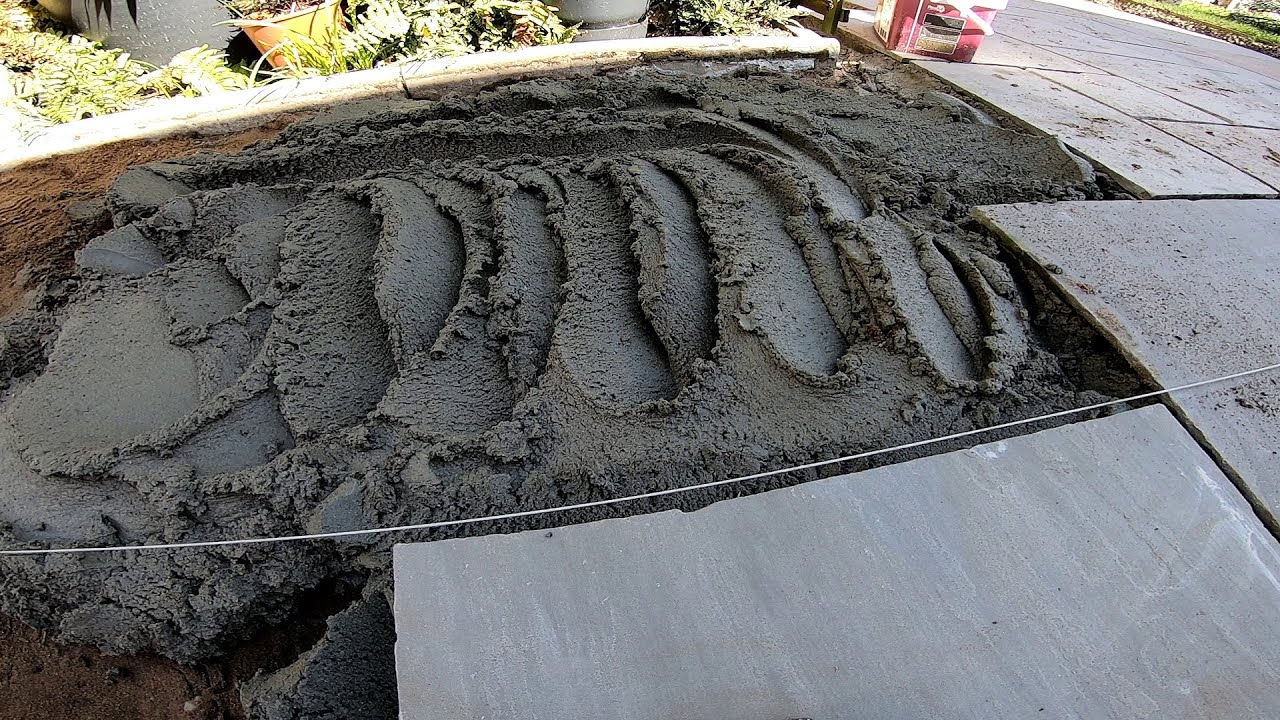
Bedding sand need to fulfill the rank utilized for interlocking pavers, generally referred to as concrete sand. Too fine a sand compacts into a smooth paste that sheds water inadequately and flushes from joints a lot more easily. Screed to a regular density, generally about 1 inch, and withstand need to strain the surface. Dragging tools back and forth brightens the bedding, and the pavers will certainly ride on a movie that moves under website traffic during the first month.
Joints are tiny, but they run the entire project
Jointing sand is the peaceful star of slip monitoring. It drains pipes, it sustains sides, and it keeps microtextures clear. Standard angular sand, shook and complemented after the first couple of rains, works if you preserve it. Polymeric sands, when mounted specifically as routed, cure right into a semi-rigid matrix that withstands washout and weed growth. Both can be secure choices. The compromise is experience and technique. Polymeric sand over-applied or left to haze changes the surface, and on smoother pavers that movie obtains slick when wet. If a task requires polymeric sand for washout resistance, do a little examination area, established the cleansing process, and appoint a second person to watch for haze while the very first runs the blower and sprayer.
Joint width matters. Narrow joints look clean, however they hold less sand and drainpipe much more slowly. On driveways, a standard spacer lug joint is adequate if you keep it. On walkways under trees, a slightly wider joint, still within manufacturer support, gives even more sand throat to handle fallen leave acids and dust without sealing shut.
Sealers, radiate, and the misconception of instant safety
Clients like a color-enhancing sealant right after an install. It deepens tones and heightens pattern. Some sealants, particularly film-forming polymers and urethanes, additionally reduce surface area microtexture, which goes down friction when wet. Passing through sealants that leave no film often tend to protect the surface area profile and maintain grip closer to the raw material, though they offer less significant aesthetic strike. If you paver contractor Bay Area CA make use of a film-former in a climate with regular rain or freeze-thaw, choose an item and a finish with a checked slip profile in damp conditions, and consider blending a compatible grit additive. Even a 1 to 2 percent by quantity dosage can raise really felt traction significantly without making sweeping difficult.
Another timing catch is applying sealer before the pavers and joints have actually extensively dried out and launched polymer haze or efflorescence. Trapped dampness and salts form a thin, imperceptible scale that obtains slick after the very first few storms. On brand-new job, I typically advise waiting a couple of weeks in cozy, dry climate, then cleaning up with a neutral cleaner and a low-pressure rinse before sealing. Where the window in between completion and winter is short, it is far better to skip the sealant than to secure a hazard.
Choosing the ideal paver for climate and use
Cold regions demand a frost-resistant paver that passes freeze-thaw resilience criteria and a structure that withstands icing. Large, smooth devices check out modern, but they concentrate meltwater right into slim films that refreeze overnight. Smaller components with chamfers and a tactile face tolerate deicers far better and manage mini drainage.
In coastal areas, salt spray promotes biofilm. Even gently distinctive pavers support risk-free ground if the maintenance strategy addresses algae. On shaded strolls near watering, think about clay pavers with wire-cut structures or concrete systems with a combed face. Permeable rock like some limestones can spall and slick under salts. Granites and lava with a thermal surface stand up and remain grippy.
For Driveway Paving Setup serving heavy SUVs and pick-ups, compressive stamina and density overview choice, but do not ignore color. Very dark pavers cozy quicker in winter sunlight and may thaw frost earlier, a tiny, actual gain. They additionally show salt halos quicker, which can be a timely to wash before a film builds.
Construction techniques that increase or reduced slip-resistance
Most slip problems map back to a handful of area routines. Maintain saw slurry off the face. Lime-rich slurry dries into a glassy movie that no one wants to walk on. Wet-cut away from set up fields and rinse the cut pavers prior to they go back to the site.
Plate compactors need a clean, intact pad. A scuffed or sand-embedded pad brightens surfaces on every pass. In summer season, avoid compacting in the hottest part of the day on darker pavers, when the surface softens a little and burns in micro-sheen. Sweep and impact joints clean between passes without leaving a talc of dirt on top.
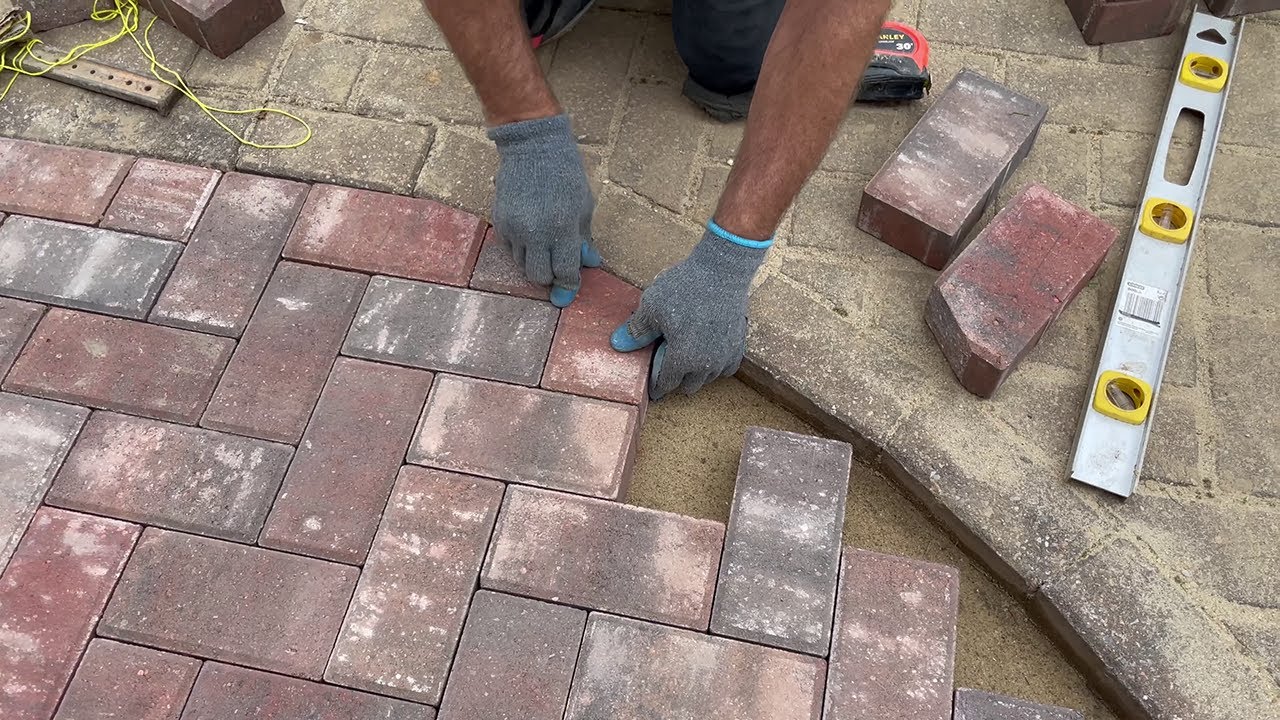

Mind shifts. Both paver training courses at a garage door, at a patio step, or at a visual bear the force of turning feet and tires. If your pattern consists of smooth borders, keep those out of turning zones or upgrade their structure. I usually rotate a distinctive soldier training course at limits specifically to boost bite.
Drainage details that keep rubbing high
Surface water drainage obtains headlines, but subsurface drain protects against crying and frost heave that interrupt planes. On tight clay, include underdrains or daylight outlets from the base to quit water from setting down. At the reduced side of a driveway that fulfills a pathway, install a channel drain with a ranked, slip-resistant grate and an upkeep plan to keep it clear. Grate selection matters, given that a glossy stainless bar grate offers a risk in rain. Composite or distinctive cast grates provide soles extra to hold.
Downspouts that release onto pavers create ice ribbons and algae tracks. Link them into drains pipes or reroute to landscape areas that can take in flow without hemorrhaging back toward the hardscape. If you need to cross a sidewalk, spread out the discharge with a diffuser rock bed instead of a direct jet that polishes pavers right where individuals step.
Winter performance and deicers
Deicers aid grip when made use of well and injure it when mishandled. Chloride salts vary in their effect on concrete and rock. Sodium chloride is common and typically less hostile to concrete than calcium chloride, however it functions inadequately below regarding 15 ° F. Calcium chloride brines at lower temperature levels, produces a slick movie at first, and can leave deposit that lowers grip till rinsed. Magnesium chloride and blended items trade efficiency and surface area effect in a different way. Urea is a plant food, not a major deicer for paving.
Over-application is the biggest problem. Heaps of pellets merge focused salt water that removes penalties from joints and sets the stage for refreeze into a lustrous skin. A program spreader, even a small hand model, pays for itself and keeps application also. After a thaw, move residues off the surface so they do not gather moisture and nourish algae.
Here is a short, field-proven approach to winter safety on interlacing pavers:
- Clear snow promptly to minimize compaction into ice. Usage plastic-edged shovels or poly blades to prevent polishing.
- Apply deicer in gauged quantities according to the temperature level range on the bag, not by feel.
- Give the deicer a few minutes to function, after that mechanically get rid of slush instead of allowing it refreeze.
- Rinse or move remaining granules when weather condition permits to prevent residue films.
- Top up joint sand in springtime so wheel courses and stroll sides remain limited and drain well.
Maintenance that keeps the hold you paid for
A secure surface gains its keep with routine work. The best pavers and details still need cleansing in wet, shaded zones. Washing with a hose and sweeping every few weeks throughout leaf season prevents the slow-moving build-up that turns microtexture right into tile. Where algae shows, a moderate, exterior-safe cleaner adhered to by a low-pressure rinse brings back rubbing. High-pressure wands take joints and can smooth appearances. Keep the idea relocating and hold distance if you have to utilize one.
Annually, look for joint loss on wheel paths and at downspouts. Add sand, portable gently with a hand meddle and a foam pad, and sweep again after a rain. If the surface has a film-forming sealant, anticipate to reapply within 2 to 5 years relying on web traffic and environment. Prior to recoating, confirm that the picked item protects or improves wet traction. Suppliers offer fine silica or polymer grains to include tooth. Examine a tiny location in wet footwear prior to you commit to a full coat.
Edges move over time if restraints loosen up. An outside movement of even a quarter inch opens up joints, invites washout, and raises slip risk on heels. Reset restraints, recompact borders, and avoid driving a snow rake blade into the side course. For sidewalk access, mount a distinct stop strip in the grass to maintain maintenance crews from scalping and loosening the border.
A note on testing and when to generate a specialist
On delicate tasks, such as a clinical workplace walkway or a high exclusive drive that sees foot website traffic, consider appointing a slip test after setup and first cleaning. Pendulum testing per ASTM E303 provides a comparative damp analysis onsite. The objective is not a lawful shield, it is a truth check. If the value is lower than expected, you can boost grip with a compatible surface area therapy or by altering maintenance prior to winter months. A half day with an expert sets you back less than a solitary claim.
When disagreements arise, the pattern is familiar. The owner chooses a glossy sealant or smooth rock during a dry showroom see, the installer elevates a problem, and every person thinks care will carry the day. Months later, a guest falls in the rainfall. Place the traction requirement in composing early. State a preferred variety for wet efficiency, keep in mind the setup details that support it, and assign maintenance tasks with a timetable. That paper trail secures the user most of all.
Designing for exactly how people in fact move
Plans reveal arrows, however feet favor shortcuts. On edge whole lots, individuals cut across the grass, and the first frost transforms that course into a danger. If you see desire courses throughout design, legitimize them with a brief spur of pavers or a landing that satisfies the primary walk. Offer lights at shifts and quality modifications. Also a warm, low bollard light gets rid of the instant of uncertainty that results in a mistake on a moist morning.
At garage entries, established a touchdown area of higher grip pavers where individuals step out of lorries. A discreetly various structure or shade assists the eye and the sole. Near mail boxes and trash pads, expect greater foot traffic on damp days. Offer those areas the exact same focus you provide front steps.
A portable field checklist for slip-resistance
When the routine is limited, a basic list supports decisions to safety. I keep one in the truck for preconstruction conferences and final walkthroughs.
- Surface choice: Is the paver face textured enough for damp usage on the actual incline present?
- Grading: Do longitudinal and cross slopes move water off travel paths without ponding?
- Joints and sand: Are joints consistently loaded and topped after initial settlement?
- Drainage: Are downspouts, channel drains pipes, and electrical outlets situated to stay clear of circulation across walking lines?
- Sealer option: If used, does it preserve or boost damp grip, and was it applied on a tidy, dry surface?
Balancing looks, toughness, and safety
Trade-offs specify great hardscape. A glass-smooth slab looks sharp against a modern-day facade, but on a north-facing drive it invites trouble. A greatly textured stone grips well, yet it can be more challenging to sweep, and rolling a baby stroller across deep appearance is not positive. At the joints, polymeric sands hold limited yet demand cautious, dry installation, while standard sands forgive a wet forecast however require seasonal top-ups. Deicers clear ice and can reduce the life of some products. The right balance originates from establishing concerns early.
For Driveway Paving Installation and Pathway Paving Installation, I motivate customers to base on damp examples, not simply handle completely dry items. Hose down a few alternatives and tip on them with the shoes you in fact wear. If a surface area feels unclear, believe that sensation. Structures and water drainage details exist for a factor, and they do not require to ruin the layout. Commonly, an adjustment in boundary structure, a somewhat bolder face on the field paver, or a subtle shift in cross incline is enough.
Two quick instance notes from the field
A coastal cottage had a narrow, shaded stroll along a cedar bush. The initial clay brick was smooth and sealed. Every autumn, algae spread like velour. We replaced with wire-cut block, expanded the joints by a number of millimeters within tolerance, added a 1.5 percent cross incline towards a gravel drip strip, and avoided film-forming sealant. The proprietor now washes once a month in fallen leave season. 4 years on, no slips, and the brick looks far better with age.
On a mountain building, a stone driveway offered a home with a 7 percent quality. The setting asked for all-natural stone, and the customer loved a sharpened sedimentary rock that resembled an interior floor. We laid out example pads in flamed granite, bush-hammered lava, and the sharpened sedimentary rock. After a damp examination, everyone agreed the limestone was not ideal. We picked the basalt, made use of a crowned area to split water, set up underdrains to keep the base completely dry, and included a direct drain over the garage apron. Winter months site visitors comment on exactly how safe and secure the footing feels even on grainy days.
The payoff
Safe hardscape does not reveal itself. That is the factor. When an interlocking driveway or pathway keeps its grasp through springtime moss, summer tornados, and winter season ice, it offers its silent objective everyday. The course from concept to that result runs through textured selections, straightforward grading, mindful jointing, wise drain, and upkeep that values the products. Construct with those in mind, and your pavers will not just look right on the first day, they will really feel precisely day one thousand.